Used Car Fraud: The Red Flags to Check Before You Sign Anything
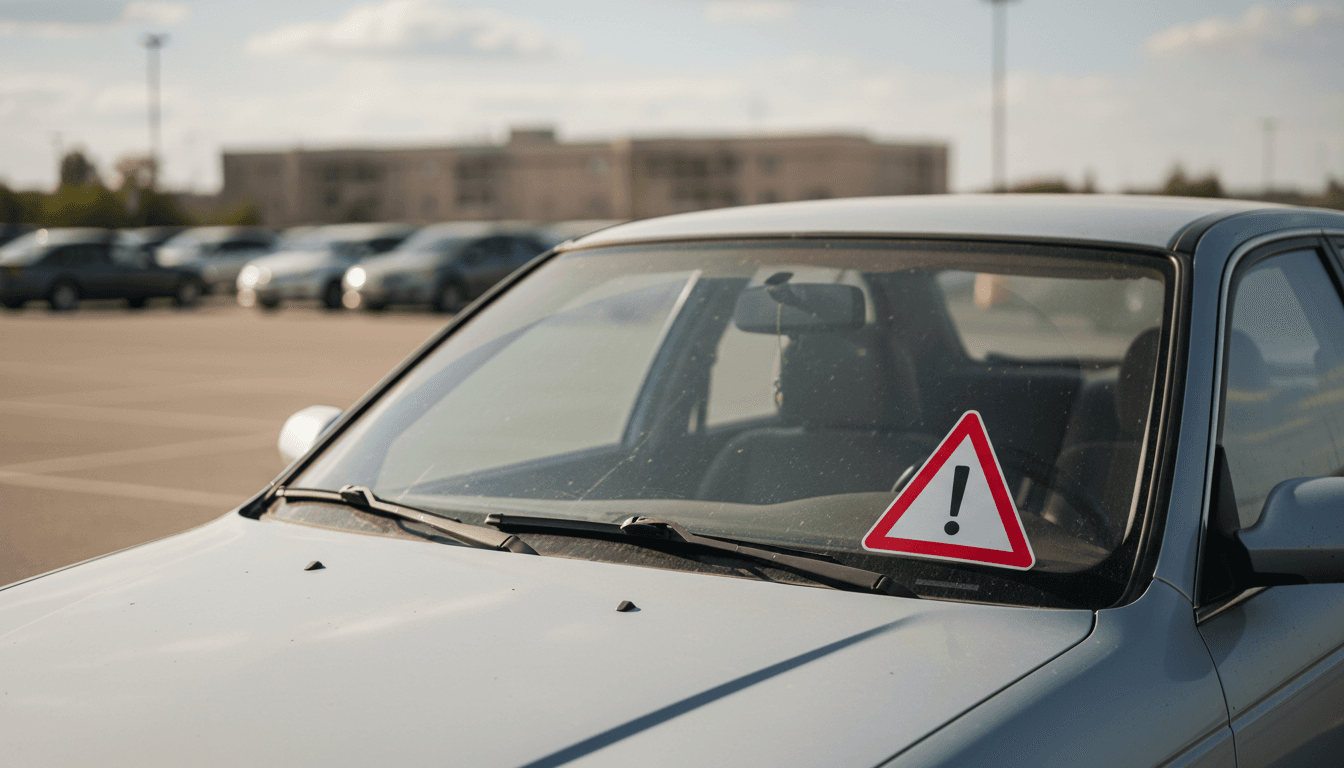
Most used-car fraud can be caught in 15 minutes. Pull a vehicle history report. Look at the title. Run a public-records check. And ask the seller a question they have to answer in writing. The schemes are old. The patterns are well known. The job is knowing what to look for before you sign.
I have worked on consumer cases. This article walks through the most common used-car fraud patterns. It covers the free and low-cost tools that catch them. And what to do if you have already been burned. It is general information, not legal advice. State laws on used-car fraud differ a lot. You have to check yours.
The five most common used-car fraud patterns
1. Odometer rollback
The mileage on the dash is lower than the real mileage on the car. The federal odometer statute makes this a serious offense. Most states stack their own penalties on top. Modern digital odometers are harder to roll back than the old mechanical ones. The practice has not gone away. Salvage yards and shady auction flippers still do it.
How to spot it. Pull a vehicle history report. Compare the mileage over time. Check inspection, service, and title-transfer records. A jump down in mileage is a flag. A long stretch with no mileage record is a flag too.
2. Title washing
A car gets branded salvage, rebuilt, flood, or junk in one state. The owner moves the title through other states whose paperwork drops the brand. The car ends up with a clean title in front of a buyer who has no idea it was totaled three years earlier.
How to spot it. The National Motor Vehicle Title Information System database tracks title brands across all states. The vehicle history reports you can buy include this data. A car whose title state has changed many times in a short period is a flag. One whose history shows a brand in any prior state is a hard stop until you know why.
3. Flood damage
A car was under water from a hurricane, a flood, or rising water from another cause. The inside got dried out. The carpet got replaced. The car looks fine. Six months later, the electronics fail one by one. The engine corrodes. The buyer is stuck.
How to spot it. Check under the carpet in the spare tire well. Check along the seat rails for rust or silt. Smell the cabin with the AC off. Look for water lines inside the headlights and taillights. A history report flagged as flood or water damage should make you walk. So should one from a flood-hit ZIP code in the right month.
4. Lemon-law buyback resold without disclosure
The maker bought the car back because of a defect they could not fix. Federal and most state laws make sellers disclose the buyback brand on resale. Some sellers ignore the rule. Others move the title across states to lose the brand.
How to spot it. A history report. Look for the buyback brand. Look for a short first-owner period followed by a transfer back to the maker. Ask the dealer in writing whether the car has ever been a maker buyback.
5. As-is sale that hides a known defect
The dealer sells the car as-is and tells you nothing. After the sale, the buyer finds the head gasket is failing. Or the transmission is slipping. Or the frame is bent. The seller hides behind the as-is clause.
How to spot it.As-is is a defense to many warranty claims. It is not always a defense to fraud. If the seller knew of a defect and hid it, an as-is clause does not save them. If the seller lied about the car's condition, the same is true. The fraud claim is separate from the warranty claim.
The fifteen-minute check before you sign
You can do all of this in the dealer's parking lot or before you ever go to look at the vehicle.
- Get the VIN. The seller has to give it to you. If they refuse, walk.
- Run a vehicle history report. Several services offer them. Look for branded titles, odometer discrepancies, accident history, and ownership timeline.
- Check the title in person. Read the brand line. Read the odometer reading. Compare to what the seller is showing you. Photograph it.
- Search the VIN against the National Highway Traffic Safety Administration recall database. Free at NHTSA.gov. Open recalls are a flag for whether the dealer dealt with the vehicle responsibly.
- Run an internet search for the dealer. Look at reviews. Look for state attorney general actions. Look for Better Business Bureau complaints. Patterns repeat.
- Ask the seller to put the material representations in writing. This vehicle has not been in a flood. This vehicle has not been a manufacturer buyback. The mileage on the odometer is the actual mileage. A seller who will not put the answer in writing is a flag in itself.
- Get an independent pre-purchase inspection.A mechanic you choose, not the dealer's mechanic. Plan to spend a hundred to two hundred dollars. The cost is small compared to the loss on a bad car.
What to do if you have already been burned
Save every paper
The advertisement, the window sticker, the bill of sale, the title, the financing documents, the trade-in paperwork, every text and email with the dealer or seller, the keys you got at delivery. The case lives in the paper.
Document the defect
Photos. Video. A repair estimate from an independent shop. The defect that triggered your suspicion is the entry point. The fraud is the broader story.
Pull your own vehicle history report
Pull it now, not the one the dealer pulled. The data may have updated. A new title brand or a buyback record may now be visible.
Send a demand letter
Most state consumer-protection statutes either require a written demand or help the consumer who sends one. A demand letter states the facts. It names the lie or the missing fact. And it asks for a fix. Many states multiply damages or open up fee-shifting once a proper demand is ignored. Send certified mail. Keep a copy.
Talk to a consumer-protection attorney
State consumer-protection statutes go by different names. UDAP. Deceptive Trade Practices Act. Consumer Sales Practices Act. They often let you recover actual damages, statutory damages, attorney's fees, and sometimes treble damages. Lemon laws stack on top for new cars. In some states they reach used cars too. The federal odometer statute allows treble damages and attorney's fees for proven rollbacks. These rules are built so consumers can find counsel without paying up front.
File complaints, but do not stop there
File with your state attorney general's consumer-protection division. The Better Business Bureau. The state DMV if it licenses dealers. The Federal Trade Commission. Complaints create a record. They sometimes prompt the regulator to act. They do not get your money back on their own. The legal claim is what does that.
What I would tell someone car-shopping next weekend
I cannot tell you what to do in your transaction. I am not your lawyer. The right move depends on the vehicle, the seller, the price, and the law of your state. What I can describe is the general pattern:
- Run a history report and read it before you visit the lot.
- Read the title with your own eyes.
- Get a pre-purchase inspection by a mechanic of your choosing.
- Ask the seller to put material representations in writing.
- Take a beat before signing. The right car will still be there tomorrow.
- If something does not add up, walk. There is always another car.
Common mistakes I see
- Trusting a clean title at face value. Title-washing is real. The history report is the check.
- Skipping the pre-purchase inspection. A two-hundred-dollar inspection often saves five thousand dollars.
- Treating as-is as a complete defense the dealer can hide behind. It is not always.
- Letting the dealer's verbal assurances replace written ones. Verbal promises are hard to enforce. Written ones are not.
- Walking away after one bad experience and absorbing the loss. The fee-shifting structure of most consumer-protection statutes means many of these cases recover for the consumer at no upfront cost.
- Taking too long to act. Some statutes have notice deadlines and short limitations periods.
Frequently asked questions
Is the federal odometer statute strong?
Yes. It allows treble damages and attorney's fees, and rollback can be both civil and criminal. State law often adds more.
Does an as-is clause kill all my claims?
No. As-is is generally a defense to implied warranty claims, but is not always a defense to fraud, misrepresentation, or claims under federal statutes like the odometer act. The strength of an as-is defense depends on the law of your state and the facts.
Do lemon laws cover used cars?
Some states extend lemon-law coverage to used vehicles in limited circumstances. Most lemon laws were written for new vehicles. Check your state.
What is a manufacturer buyback?
A vehicle the manufacturer repurchased, usually under a state lemon law or settlement, after a defect that could not be fixed. State laws generally require this status to follow the title and be disclosed on resale.
How can I check if my car was in a flood?
Pull a vehicle history report and look for flood-state title transfers, the right months, and the brand on prior titles. Inspect the spare-tire well, seat rails, headlights, and seatbelt webbing for rust or water lines. A specialist mechanic can find more.
Can I sue a private seller, or only a dealer?
You can sue a private seller for fraud or misrepresentation. The consumer-protection statutes that target deceptive trade practices often only reach commercial sellers, but the common-law fraud claim reaches both. The remedy structure differs.
Is this legal advice?
No. This is general educational information about used-vehicle fraud patterns and the legal frameworks that respond to them. It is not legal advice and not a substitute for an attorney licensed in your state who has reviewed your facts.
Educational only. Not legal advice.
Nothing here is legal services or advice about your situation. I am not available to represent you or to review your case. Reading this article does not create an attorney-client, fiduciary, or advisory relationship. Used-car laws, lemon laws, and consumer-protection statutes vary by state. Verify every rule, deadline, and remedy against the law where you live. If you have a problem like the one described above, the strongest protection is a consumer-protection attorney licensed in your state. Many consumer-protection statutes include fee-shifting and damages multipliers, which often makes representation affordable.