Florida Eviction Notice: What It Means and What You Can Do
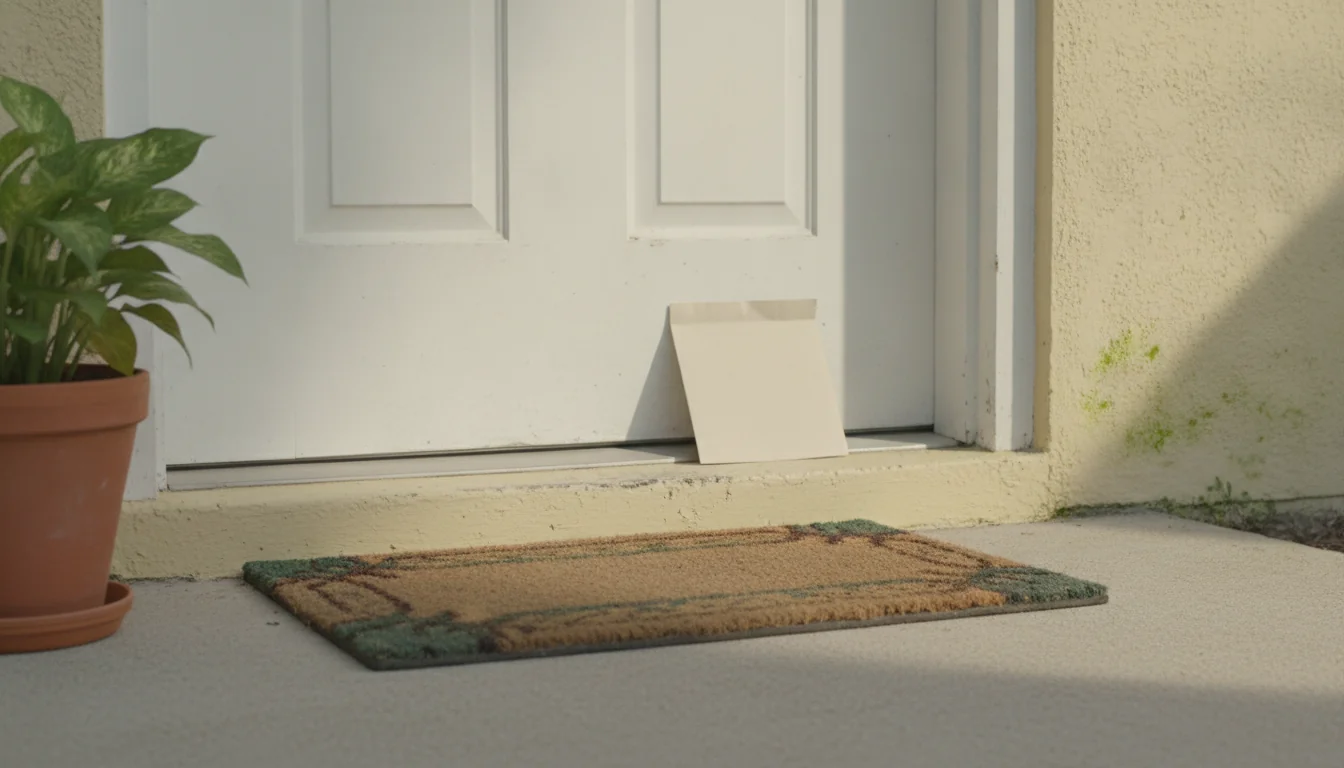
A Florida eviction notice is a written warning. Your landlord must hand you one before they file an eviction case in court.
TL;DR: A Florida eviction notice is the paper your landlord has to hand you first.
The kind of notice depends on why they want you out. A 3-day notice is for non-payment of rent. A 7-day notice covers other lease breaks.
A 30-day notice ends a month-to-month lease with no cause. The notice starts the clock. A judge decides the eviction case.
This guide follows Part II of Chapter 83, Florida Statutes.
The written rules cover most renters in Florida who pay rent to live in a home or apartment. Rooming houses, hotels, and some mobile home parks use their own rules.
This article is for Florida law only.
What is a Florida eviction notice?
A Florida eviction notice is a short written paper your landlord hands you before court.
It tells you that your landlord wants to end the lease. The notice itself does not push you out of the premises.
Only a court order can put you out, no matter what the paper says. Section 83.56 and section 83.57, Florida Statutes, set the main rules.
The kind of notice your landlord must send turns on the reason for the eviction.
Section 83.56(4) lists the ways the landlord may serve the written notice to the tenant. They can mail it, hand it to you, or email it under section 83.505.
If you are away, they can leave a copy at the rental. Your lease or rental agreement cannot waive these rules.
For a broader view, see our guide on your rights as a renter in Florida.
Florida eviction 3 day notice for non-payment of rent
Section 83.56(3), Florida Statutes, sets the florida eviction 3 day notice for failure to pay rent.
The 3-day notice is the demand a landlord uses when rent is late. The written notice must state the amount of rent owed.
It must also give the address of the rental. You then have 3 days to pay the rent due or vacate the premises.
The 3 days do not count Saturdays, Sundays, or court-observed legal holidays. Section 83.56(3) says only court-observed holidays stop the clock.
If you pay the full rent in time, the case ends. If you miss the deadline, the landlord may file an eviction complaint with the county clerk.
Florida eviction notice law for other lease breaks
Florida eviction notice law covers more than non-payment of rent.
Section 83.56(2), Florida Statutes, sets the rules for other lease breaks. There are two kinds of 7-day written notice under the statute.
The first is the 7-day cure notice. Section 83.56(2)(b) gives the tenant a chance to fix the problem.
Section 83.56(2)(b) lists things like banned pets, bad parking, and a dirty home. The written notice to the tenant states the lease break and gives 7 days to cure.
If you fix the problem in time, the lease goes on. If the same thing happens again within 12 months, the landlord does not have to send another cure notice.
The second is the 7-day no-cure notice to vacate. Section 83.56(2)(a) gives no chance to fix the issue.
Section 83.56(2)(a) covers acts the tenant should not get to cure. The law lists things like damage on purpose and fraud entry under section 817.537(2).
A repeat lease break within 12 months of a written warning also fits this path. The tenant must then vacate within 7 days of the date the landlord sends the notice.
Florida 30 day eviction notice for month-to-month leases
A florida 30 day eviction notice applies when the rental agreement has no end date.
Section 83.57, Florida Statutes, sets the notice times by how often rent is due. The time frames under section 83.57 run by the rent period your lease uses:
- Year to year: not less than 60 days of written notice before the end of the year.
- Quarter to quarter: not less than 30 days of written notice before the end of the quarter.
- Month to month: not less than 30 days of written notice before the end of the month.
- Week to week: not less than 7 days of written notice before the end of the week.
Section 83.57 does not make the landlord give a reason.
The landlord only has to send the right notice in time. The notice must still follow the rules in section 83.56(4).
Many renters have heard of the old 15-day notice in Florida.
Florida changed section 83.57 in 2023 and set a longer notice. Today, the shortest month-to-month notice under Florida law is 30 days, not 15 days.
Eviction papers: filing an eviction complaint with the county clerk
The eviction notice is not the court case itself.
Section 83.59, Florida Statutes, sets the next step after the notice time ends. If the tenant does not pay, fix the problem, or vacate the premises, the landlord may file.
The landlord files the eviction complaint in the county court where the rental sits.
The eviction complaint and the summons the county clerk sends you make up the eviction papers. Once a county sheriff or server hands those papers to you, a short clock starts.
The tenant has 5 business days to respond under section 83.60. Florida law also makes the tenant deposit the rent owed into the court registry during the case.
If a judge rules for you, the eviction case ends. If the landlord wins, the court can order a writ of possession under the statute.
The county sheriff then carries out the writ of possession and removes anyone who stays.
For the fuller step-by-step view, see our page on the Florida eviction process.
What this article does not cover
- Mobile home park evictions under Chapter 723, which have their own rules.
- Hotel, motel, and short-term rental rules, which Chapter 83, Part II, does not reach.
- Federal housing voucher cases, which add Section 8 rules on top of state rules.
- Your personal case or what you should say to a judge in a hearing.
- Any opinion on whether a notice you got is valid for your facts.
Frequently asked questions
What happens after a 3 day eviction notice in Florida?
If you pay the full rent due in 3 business days, the case ends. If you miss the deadline, your landlord may file an eviction complaint with the county clerk. The court then sets a short schedule under section 83.59, Florida Statutes.
What do the 7-day and 30-day notices mean?
The 7-day notice covers lease breaks other than rent, under section 83.56(2). A 30-day notice ends a month-to-month lease with no stated cause, under section 83.57, Florida Statutes. Both start the notice period before an eviction complaint.
Is there a 15 day eviction notice in Florida?
No. Florida changed the law in 2023. Section 83.57, Florida Statutes, now requires 30 days of notice to end a month-to-month lease. The 7-day week-to-week notice still exists.
Educational only. Not legal advice.
Nothing here is legal services or advice about your situation. I am not available to represent you or to review your case. Reading this article does not create an attorney-client, fiduciary, or advisory relationship. Landlord-tenant law and consumer-protection statutes vary by state. Verify every rule, deadline, and remedy against the law where you live. If you have a problem like the one described above, the strongest protection is a tenant-rights or landlord-tenant attorney licensed in your state. Many consumer-protection statutes include fee-shifting and damages multipliers, which often makes representation affordable.